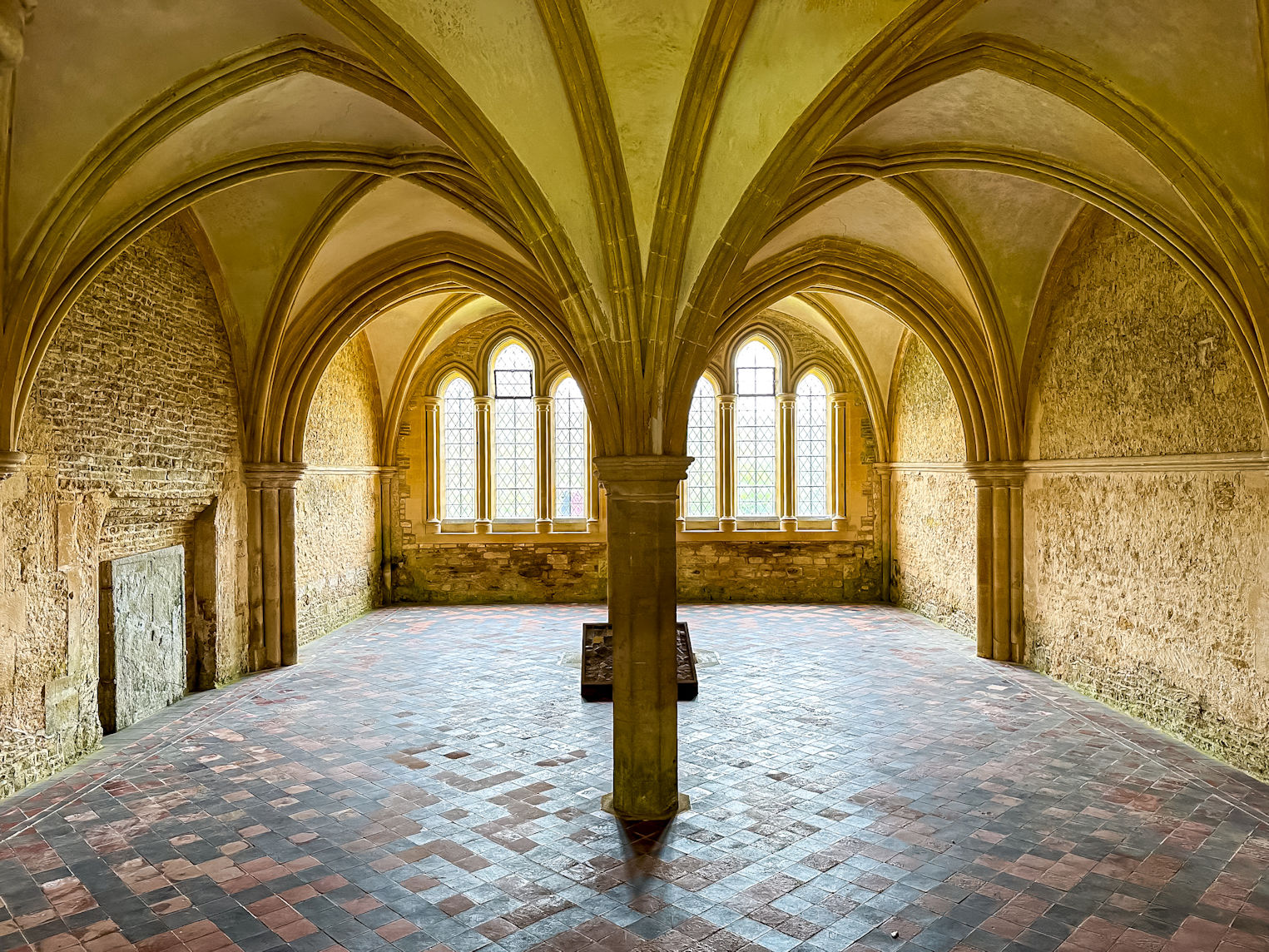

Filming in the Cotswolds
The most beautiful backdrop
There is something inherently cinematic about the Cotswolds. From honey-coloured villages and sweeping hills to grand manor houses and quiet country lanes, the region offers a ready-made backdrop that continues to attract filmmakers, production companies, and creative teams from across the UK and beyond.
Over the years, the Cotswolds has quietly become one of the country’s most desirable filming destinations, hosting everything from major feature films and television dramas to adverts, branded content and streaming productions. Its appeal lies not just in its beauty, but in its versatility.
A landscape made for storytelling
Few regions offer such a wide range of visual settings within such a compact area. Picture-perfect villages like Bibury and Bourton-on-the-Water provide instantly recognisable charm, while market towns such as Cirencester and Stow-on-the-Wold offer character, scale and accessibility.
Beyond this, the surrounding countryside delivers rolling hills, ancient woodlands, rivers and farmland that can double for countless settings, from historical backdrops to contemporary rural life. Add in stately homes, boutique hotels, farm estates and hidden valleys, and the result is a region that can transform to suit almost any narrative.
For productions, this variety reduces the need for extensive travel between locations, making filming more efficient while maintaining a rich visual identity.
A boost for the local economy
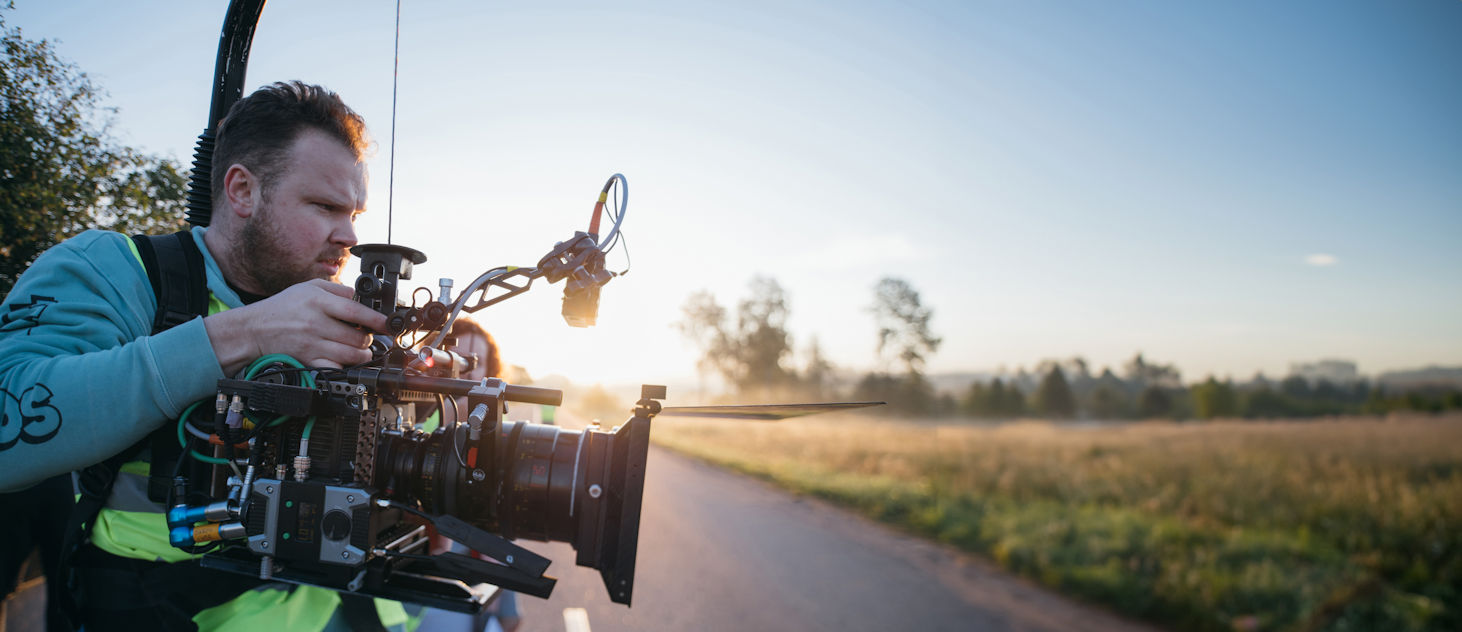
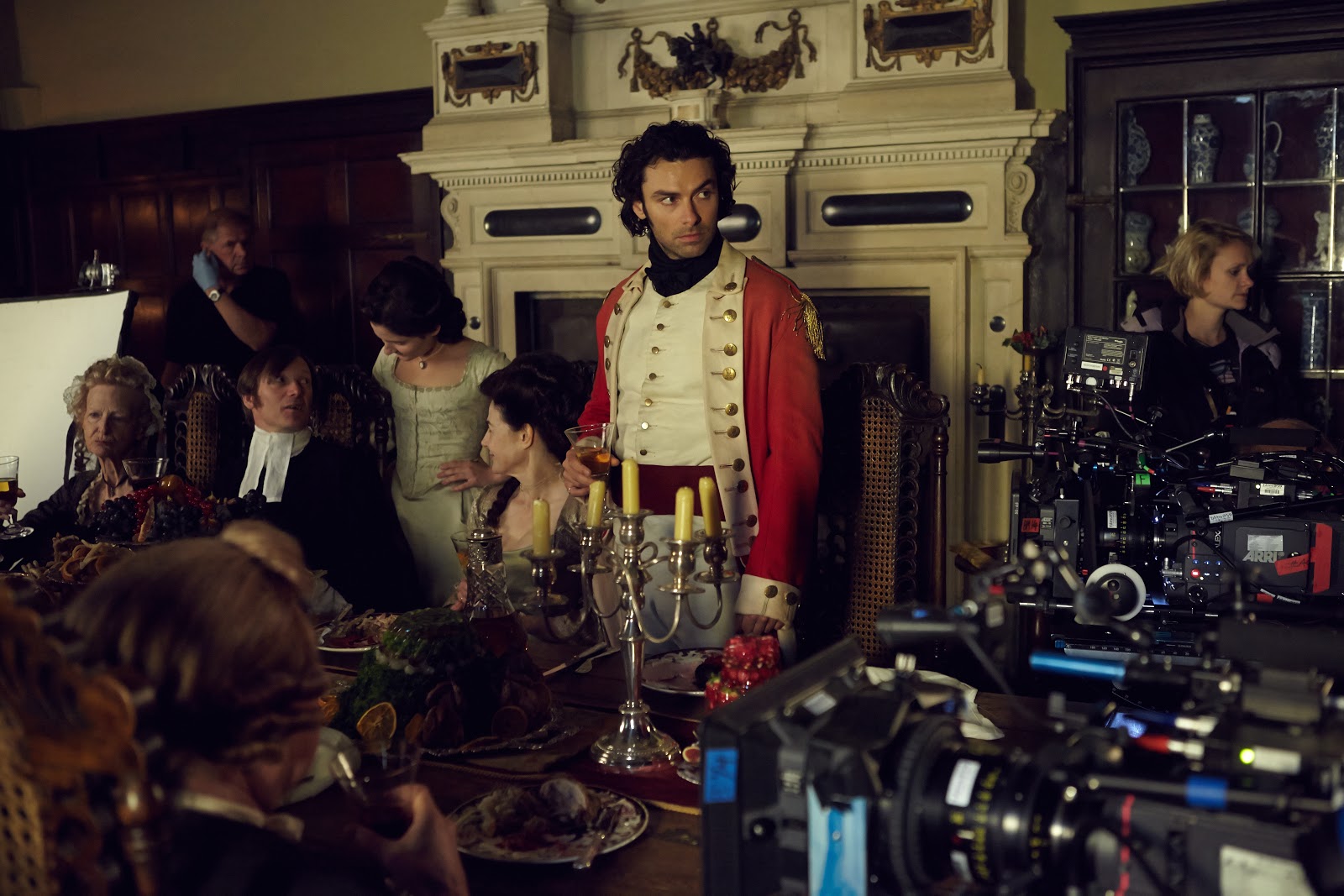
Filming in the Cotswolds brings tangible benefits to the local economy. Production crews rely on a wide network of local suppliers, from accommodation providers and caterers to transport companies, equipment hire and skilled freelancers.
Hotels, pubs and restaurants often see increased bookings during filming periods, while local businesses benefit from both direct spend and longer-term exposure. A single production can inject significant revenue into an area, particularly when filming spans several days or weeks.
There is also a ripple effect. Locations featured on screen frequently experience a rise in visitor numbers, with audiences keen to explore the places they have seen. This “screen tourism” can have lasting value, supporting local attractions, shops and hospitality businesses long after filming has wrapped.
Inspiring tourism and regional pride
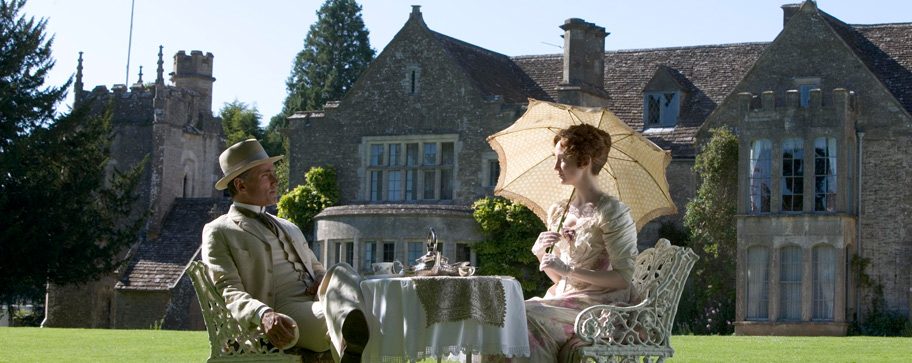
The Cotswolds has long been a destination for visitors, but its presence on screen adds another layer of appeal. Whether it is a period drama showcasing traditional architecture or a modern series capturing rural life, these portrayals help shape how people see and connect with the region.
For local communities, there is a sense of pride in seeing familiar places featured on screen. It reinforces the unique identity of the Cotswolds while introducing it to new audiences around the world.
Filming responsibly and sustainably
As filming in the Cotswolds continues to grow, so too does the focus on doing it responsibly. Many productions now work closely with local authorities, landowners and residents to plan shoots carefully, helping to minimise disruption, manage traffic and maintain public access wherever possible.
Sustainability is also a key consideration. By using nearby locations, sourcing locally, and filming in real settings rather than building sets, productions can significantly reduce their impact. Alongside responsible waste management and a commitment to protecting natural habitats, this approach ensures that filming leaves little trace while preserving the landscapes that make the Cotswolds so special.
A natural stage for the future
The continued rise of streaming platforms, alongside traditional film and television, means demand for distinctive locations is only increasing. The Cotswolds, with its timeless beauty and adaptability, is perfectly placed to meet that demand.
By balancing opportunity with care, the region can continue to welcome productions that not only tell compelling stories, but also support local businesses, boost tourism and celebrate the landscape itself.
In the Cotswolds, the scenery is not just a backdrop. It is part of the story.